
In the digital age, our lives are constantly inundated with notifications, updates, and a perpetual stream of information from social media platforms and other online sources. This phenomenon has led to the rise of a concept known as FOMO, or the “Fear of Missing Out.” It’s a feeling of anxiety that others are having rewarding experiences that we’re not a part of. However, a more positive counterpart has emerged in recent years: JOMO, or the “Joy of Missing Out.”
The Origin Of JOMO
The term JOMO is relatively new in the modern dictionary, but the ideas behind it aren’t. In essence, JOMO is the antidote to FOMO, where instead of feeling anxious about missing out on activities, people feel content and even joyful for choosing to disconnect. It involves taking pleasure in what you are doing in the moment, without worrying about what others might be doing elsewhere.
The phrase “Joy of Missing Out” is believed to have been coined by author and entrepreneur Anil Dash around 2012. In his blog, Dash described his personal decision to reduce his social media presence, noting the sense of freedom he gained as a result. JOMO quickly gained traction as a term that represented intentional living, mindfulness, and a counter-culture to the hyper-connectedness of the digital world.
Although the term is relatively recent, the concept aligns with philosophies that date back centuries. Ancient Stoics like Epictetus and Seneca advocated for the kind of mindful detachment and focus on what truly matters that JOMO embodies. Similarly, Buddhist teachings emphasize mindfulness, presence, and freedom from attachment to external validation.
A Shift Toward Mindful Living
At its core, JOMO represents a shift from external to internal fulfillment. In contrast to FOMO, which feeds on comparison, competition, and fear, JOMO is rooted in satisfaction, autonomy, and a sense of peace of mind. It encourages individuals to embrace solitude, mindfulness, and being present in the moment, rather than chasing after every experience or social event.
JOMO doesn’t advocate for isolation or a complete disconnection from society. Instead, it encourages a mindful approach to allocating our time and energy. It’s about embracing the present moment, prioritizing personal well-being, and opting out of activities or interactions that don’t bring value, meaning, or joy to our lives.
Setting The Stage For JOMO
Before we dive deeper into JOMO, it’s essential to understand its predecessor, FOMO. The term “Fear of Missing Out” was coined by marketing strategist Dr. Dan Herman in the late 1990s. With the advent of social media, FOMO became a widespread cultural phenomenon. As platforms like Facebook, Instagram, and Twitter gained popularity, users were constantly exposed to curated highlights of others’ lives, vacations, parties, and various milestones, all of which contributed to feelings of inadequacy and exclusion.
The impact of FOMO on mental health has been well-documented. A 2013 study found that individuals who experienced higher levels of FOMO were more likely to feel unhappy or dissatisfied with their lives. Constant comparison to the seemingly “perfect” lives of others can lead to anxiety, depression, and a pervasive sense of failure. As a result, many have sought to reclaim their mental well-being by rejecting the pressures of constant connectivity, giving rise to the concept of JOMO.
The Benefits Of Embracing JOMO
The shift from FOMO to JOMO offers several significant benefits, particularly for mental health, personal fulfillment, and productivity. Here are some key advantages of adopting JOMO into daily life:
- Enhanced Mental Health – One of the most profound benefits of JOMO is its positive impact on mental health. Constant exposure to social media can contribute to feelings of anxiety and depression, largely due to comparison with others. JOMO allows individuals to step away from the noise and pressures of social media, enabling them to focus on their well-being. Studies have shown that reducing screen time and digital interaction can alleviate symptoms of depression, stress, and anxiety.
- Increased Productivity – JOMO also offers a boost in productivity. By intentionally choosing to miss out on distractions, whether it’s social media, unnecessary events, or low-priority obligations, people can focus more on meaningful tasks and goals. Productivity experts often recommend “deep work,” a concept popularized by author Cal Newport, which involves concentrating on cognitively demanding tasks without interruption. JOMO, by nature, supports this idea, as it encourages individuals to disconnect from distractions and dedicate their time to purposeful, productive activities.
- Stronger Relationships – While JOMO involves stepping back from constant social interaction, it can actually strengthen personal relationships. Rather than engaging in superficial connections or socializing out of obligation, JOMO advocates for meaningful, intentional relationships. It encourages people to invest in meaningful interactions, fostering deeper connections with loved ones rather than maintaining the illusion of popularity through superficial online interactions.
- Mindfulness and Presence – The heart of JOMO lies in mindfulness. The act of “missing out” is not seen as deprivation but rather as an opportunity to immerse oneself in the present moment. This allows individuals to become more attuned to their own needs, desires, and emotions. Whether it’s savoring a quiet morning with a cup of coffee, reading a book, or spending time with family, JOMO encourages the appreciation of life’s simple pleasures. This mindful approach helps combat the restlessness and dissatisfaction that often arise from FOMO.
- Reduced Burnout – With the constant demands of modern life, burnout has become a prevalent issue. Whether it’s work, social obligations, or the pressure to keep up with an online persona, people are increasingly finding themselves overwhelmed. JOMO serves as a counterbalance to this burnout culture by promoting rest, relaxation, and time for self-care. It gives individuals permission to say “no” to activities that don’t serve their well-being and helps them prioritize recharging and maintaining balance in their lives.
Potential Dangers Of JOMO
While the benefits of JOMO are clear, it’s important to acknowledge that, like any mindset or lifestyle choice, there are potential drawbacks if taken to the extreme.
- Social Isolation – One of the potential risks of JOMO is that it can lead to social isolation if not approached with balance. While it’s healthy to disconnect from the pressures of constant social interaction, it’s also essential to maintain meaningful connections with friends, family, and community. Too much detachment may lead to loneliness and a lack of social support, which are key factors in mental health. To avoid this pitfall, it’s essential to find a healthy balance that allows for solitude without completely withdrawing from the world.
- Missed Opportunities – In embracing JOMO, individuals might inadvertently miss out on genuine opportunities for growth, learning, or connection. While being selective about engagements is essential for maintaining balance, it’s equally important to remain open to new experiences. The key is knowing when to say “no” and when to embrace opportunities that align with personal values and goals.
- Complacency – JOMO encourages contentment with the present moment, which is undoubtedly a positive mindset. However, this could potentially slip into complacency, where individuals become too comfortable in their routine and resist positive changes or challenges. It’s crucial to distinguish between mindful contentment and stagnation.
How To Practice JOMO
For those interested in embracing JOMO, here are some practical steps to incorporate into daily life:
- Set Boundaries with Technology – Reduce social media use by setting specific times for checking notifications or using apps like Moment or Freedom to limit screen time.
- Practice Mindfulness – Engage in mindfulness activities like meditation, journaling, or simply taking time to enjoy small pleasures without distraction.
- Learn to Say No – Politely decline invitations or commitments that don’t align with your values or well-being. Prioritize activities that bring you genuine joy and fulfillment.
- Focus on Deep Relationships – Invest time and energy into relationships that matter. Prioritize in-person interactions over online connections.
- Reframe Your Perspective – Instead of viewing “missing out” as a negative, reframe it as an opportunity for self-care, reflection, or pursuing personal interests.
Joy Of Missing Out
In a world that often prioritizes productivity, connection, and social status, the Joy of Missing Out offers a refreshing alternative. JOMO encourages individuals to step back from the pressures of modern life and reconnect with themselves, their values, and what truly brings them happiness. By embracing JOMO, people can cultivate a deeper sense of fulfillment, reduce stress, and find joy in the present moment.
While it’s essential to strike a balance between staying connected and enjoying solitude, JOMO serves as a powerful reminder that life’s most meaningful moments aren’t always the ones that get shared online. Instead, they’re often the quiet, simple moments that happen when we choose to be fully present.
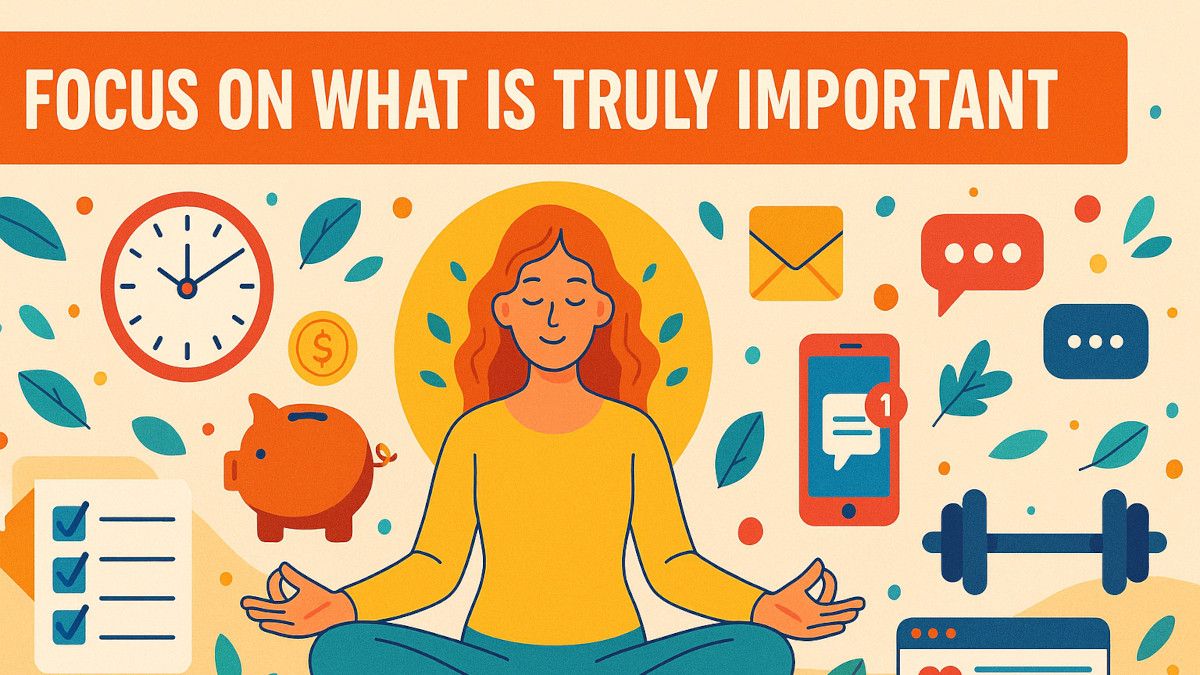
Photo: Generated with Dall-E




Leave a Reply