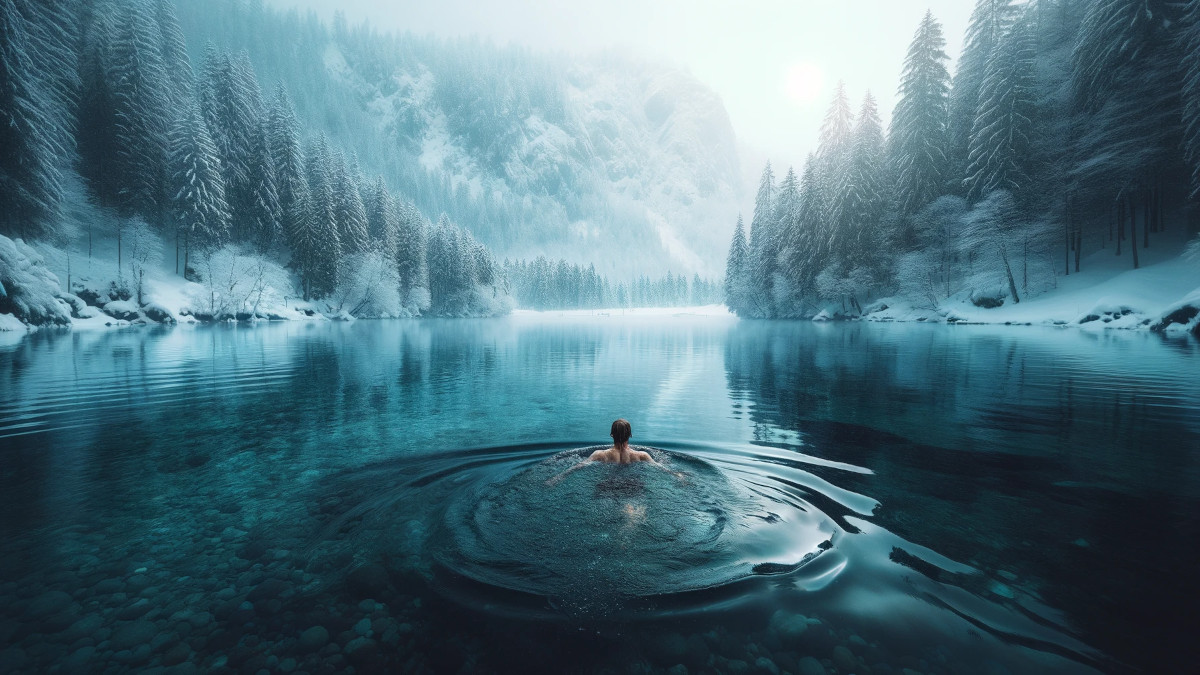
In recent years, the practice of immersing oneself in cold water, be it through showers or swimming, has gained significant popularity. This ancient ritual, now backed by scientific research, offers a range of health benefits.
This is nothing new. Our ancestors were able to cope with whatever nature threw at them and not only survived but even thrived. They may have lived shorter lives, but they were more resilient and able to handle extreme environments. Something very few of us could do today. We got too comfortable. We worry about getting too hot or too cold. We even refuse to go outside because of the slight rain. We became weak.
Let’s dive into the invigorating world of cold water therapy, exploring how cold showers and swimming can rejuvenate both body and mind.
1. Boosts Immune System
Research has shown that regular exposure to cold water can enhance the immune system. Cold water immersion stimulates the production of white blood cells. These cells protect against illnesses, suggesting that cold showers can increase your resistance to common infections.
2. Improves Circulation
Good circulation is vital for overall cardiovascular health. Alternating between hot and cold water during showers causes blood vessels to contract and dilate, effectively pumping blood around the body. This process can help reduce inflammation and be particularly beneficial for those suffering from arthritis or poor circulation.
3. Enhances Mental Health
Cold water therapy has a significant impact on mental health. The shock of cold water triggers a flood of mood-boosting neurotransmitters, making you feel happier. This effect can combat feelings of depression and anxiety. Cold swims in natural waters have been particularly effective in reducing stress and improving the mood of regular practitioners.
4. Increases Metabolic Rate
Exposure to cold can increase your metabolic rate, the speed at which your body burns calories. This happens as the body works harder to maintain its core temperature. A higher metabolic rate not only helps in weight management but also improves energy levels throughout the day.
5. Enhances Skin and Hair Health
Cold water can have a positive impact on your skin and hair. It tightens pores, which can reduce acne and skin blemishes. Furthermore, unlike hot water, cold water does not strip away the natural oils from your skin and hair, leaving them more hydrated and healthier.
6. Improves Sleep Quality
Cold water immersion, particularly in the form of a shower before bed, can improve sleep quality. The cooling effect on the body can help lower core body temperature, a key factor in signaling the body it’s time to sleep. Many people report deeper and more restful sleep after adopting cold showers into their routine.
7. Builds Resilience and Mental Toughness
Regularly braving cold water can build mental fortitude. The initial discomfort followed by the exhilarating feeling post-immersion can train your brain to tackle challenging situations more effectively. This can lead to improved stress management and resilience in other aspects of life.
8. Enhances Recovery After Exercise
Athletes have long used cold water immersion for recovery. Cold showers or swimming after intense physical activity can reduce muscle soreness and speed up recovery. This is due to the reduced blood flow in the cold, which helps minimize inflammation and muscle tissue breakdown.
9. Provides a Natural Energy Boost
The shock of cold water is a natural energizer. It increases your heart rate and releases a rush of blood through your body, which can make you feel more alert and invigorated. This is why many people prefer a cold shower in the morning to kickstart their day.
10. Encourages Connection with Nature
Swimming in cold, natural bodies of water, such as lakes, rivers, or the ocean, not only offers the benefits of cold immersion but also connects you with nature. This connection can enhance your mental well-being, providing a sense of peace and tranquility.
How to Get Started with Cold Swimming?
Let’s learn from the best. Wim Hof is the ultimate ice man who ran a half marathon at the Arctic Circle barefoot, swam two hundred feet underneath a layer of ice, stood for hours packed in ice, and even ran a full marathon through the Namib Desert to exchange cold for extreme hot. He has shown what the human body can do if we only give it a chance.
How do you give your body a chance? You start by building a discipline and a routine. He started as a boy when he got up every morning before 4 am to start on his paper route. Regardless of the weather or whether he wanted it or not, there was a task to accomplish. It was only up to him. No one could pick up the slack. Do this for a couple of years, and you build a strong sense of discipline.
To be able to jump into cold water in nature, Wim Hof suggests starting with cold showers, mastering breathing exercises, and adopting a can-do attitude. Before you get to the cold water, do a round or two of the breathing exercises and visualize the cold water and how it will make you feel.
Focus on the positive images and that you can do it and enjoy it. Then, confidently enter the water while taking deep breaths. Stay calm, take your breaths through your nose, and try to be as relaxed as possible. Focus on your breath the whole time, and as you exit the water, warm up with some simple exercise like doing the “horse stance.”
3 Pillars of Wim Hof Method
Wim Hof suggests a method to build some resilience and ability to deal with the environment. It is based on three pillars: exposure to cold, conscious breathing, and the right mindset.
Wim Hof is a strong proponent of the cold as a way to build resilience and live healthier lives in general. Cold is not the enemy but a long-lost friend that we try to hide from in the comfort of our overheated houses. But the cold can help us to resist cardiovascular diseases that are a plague of modern civilization.
Our body can self-regulate our temperature, so we can withstand extreme heat and cold if we are trained to do so. But we don’t. Instead of teaching our body to do its magic, we get into clothes and prevent our body from doing what it was built to do. Our vascular system is not exercised and is not working in its optimal state. And our heart needs to pick up the slack and pay the price.
Wim Hof has a simple recipe to deal with this: “A cold shower a day keeps the doctor away.” Exposing our body regularly to cold allows it to exercise its muscles and get into optimal working order.
When you get into a cold shower or a river for the first time, it will be uncomfortable. The impact of the cold water can be unpleasant, even painful, as your body gets a shock. You may gasp or even hyperventilate. These are natural reactions, and they subside with repeating exposure. What follows is a more relaxing state and even a feeling of invigoration and a flow of energy once you get out of the cold water.
Even only a couple of weeks of regular cold showers will have an impact on your mood, your confidence, and your cardiovascular system. All you need to do is to finish your warm shower with a cold one. Start with a really short one, like 15 seconds, then go to 30 seconds and a minute. It is a question of will. You will not freeze to death with 30 seconds of a cold shower, especially since it is still not subzero cold anyway. The water in the pipes is still relatively warm.
Starting a day with a cold shower will lead to better blood flow during the day. That, in turn, will give you more energy.
In time, you will be able to handle the impact of the cold water without the initial shock. You will also be able to handle colder weather without giving it a second thought.
Cold Shower Exercise
Try this exercise. After your usual warm shower, get 30 seconds of cold water for a week. Extend the time to 1 minute in the second week, minutes and a half in the third week, and two minutes in week four. Make a note to yourself after each cold shower on how long it lasted and how you felt before and after it. Make a note every evening of your energy levels during the day.
After a month, go back to your notes from the first days and compare them with the notes at the end of the month. Is there a difference? You may have sacrificed two minutes of comfort a day, and you gain a huge benefit. Your heart rate will be slower, and your blood and oxygen will flow better through your body.
Wim Hof notes that even exposure to 60 degrees Fahrenheit (about 15 degrees Celsius) already provides some health benefits, so you don’t need ice. Tap water is just fine for your cold adaptation regimen.
Breathing Exercise
Basic breathing exercise as suggested by Wim Hof: Sit down comfortably in a meditation posture or whatever position makes you comfortable and relaxed. Close your eyes and focus only on your breath. Take thirty deep breaths. Fill up your lungs with air as much as possible with each breath. Then relax and let the air go. With the last breath, let the air out and then hold the breath until you need to breathe again.
When you have the urge to breathe, take one deep breath and hold it in for fifteen seconds. They let it go and repeat the whole cycle three times. All the time, you focus only on your breath and nothing else. You can say it is a mindfulness exercise.
Mindset Exercise
Basic mindset exercise as suggested by Wim Hof: Find a comfortable place to sit down. Start regular deep breathing. No rush. Just a slow breath in and let go. Your goal is to calm yourself down. Then, focus your mind on your body and on the activity you want to do. Let’s say you want to stay longer in a cold shower. Set your intention and let your body know what you plan to do. Keep scanning your body with your mind up to the moment you feel aligned and ready. Then go and take your cold shower or whatever else you decide to do.
Putting It All Together
The practice of taking cold showers or swimming in cold water is more than just a trend. It’s a health-promoting activity with numerous benefits, from boosting your immune system and improving circulation to enhancing your mental health and skin condition.
As with any new health practice, it’s recommended to start slowly and consult with a healthcare professional if you have any underlying health conditions.
So, why not take the plunge and see how cold water therapy can invigorate your life?
Photo: Generated with Dall-E



Leave a Reply